


Illegal Handling, Supply and Marketing of Medicines | Offences and Penalties
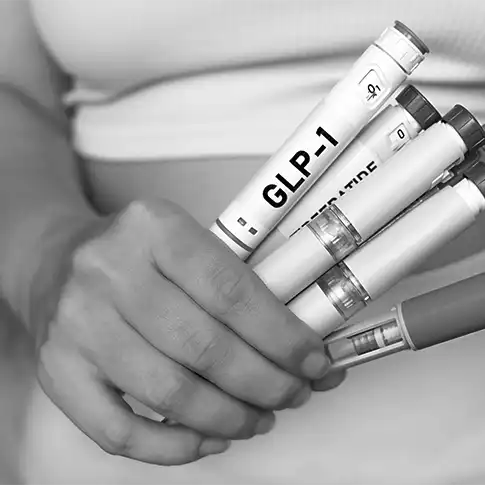

The handling, supply, distribution, marketing and administration of medicinal products are tightly regulated in the UK. Anyone involved in these activities, whether as an individual or a business, must comply with the relevant legislation, including the Human Medicines Regulations 2012.
Breaches of the legislation can include the sale or supply, or offering to sell or supply unauthorised medicinal products, unlawful possession, non-compliant marketing and advertising, and the administration of medicines by persons who are not authorised to do so.
Possession of ‘controlled substances’ is illegal under the Misuse of Drugs Act 1971, which classifies all illegal drugs according to their potential harm and creates criminal offences regulating importation, exportation, production, supply and possession.
In a previous article titled ‘Controlled Drugs - Offences, Restrictions and Penalties’ we explained in detail the nature and classification of such illegal drugs.
In this article, John Veale of KANGS explains the Human Medicines Regulations 2012, the legal restrictions governing medicinal products, and the potential criminal consequences of failing to comply with those requirements.
An Overview of the Human Medicines Regulations 2012
Medicines classified as being legal are generally formulated to minimise the potential for abuse and addiction. The public generally accepts them as being safe and they are normally regarded as beneficial.
These medicines may be carefully prescribed and monitored by healthcare professionals and, where they have the potential for dependence, their use is tightly regulated. Alongside these legal medicines are substances whose use and possession are subject to strict legal controls.
The range of available drugs and medicines is so enormous that there exists the possibility of confusion as to the manner in which some of them may be legally handled and dispensed by healthcare professionals.
The Human Medicines Regulations 2012 (‘the Regulations’) sets out in detail those medicines which differing medical professionals such as dental hygienists and therapists, midwives, optometrists and paramedics can stock, sell, administer and prescribe.
There are three ways that medicines can be sold and supplied in the UK, being:
- on a prescription (known as prescription only medicines),
- in a pharmacy without a prescription, but under the supervision of a pharmacist,
- as a general sale list medicine and sold in general retail outlets without the supervision of a pharmacist.
Medicine Licensing
Medicines and Healthcare products in the UK must have a valid licence authorised by the Medicines and Healthcare products Regulatory Agency (‘the MHRA’) before they can be sold or prescribed.
This requirement ensures that medicines are properly tested for safety, quality, and effectiveness. Licences will contain detailed information such as who may benefit from a particular medicine, the correct dosage and any potential side effects which result from its use.
Regulation of Pharmacists and Dispensing
Only qualified pharmacists are allowed to dispense prescription medicines by the Regulations which stipulate that pharmacies must secure medicines securely and that prescriptions can only be issued by authorised professionals.
Marketing and Advertising Unauthorised Medicines
The manner in which medicines are marketed must comply with strict guidelines set out in the Regulations and care must be taken in how they are described, advertised and supplied.
Over-the-counter medicines must not make misleading claims or promote unsafe use. A product should not be exaggerated, presented in a misleading way, or promoted in a manner inconsistent with the regulatory controls that apply to it.
Advertisements for prescription medicines can only be directed at healthcare professionals.
Facing Allegations of Unlawful Handling or Supply of Medicines?
Allegations under the Human Medicines Regulations 2012 can relate to the possession, distribution, marketing, supply or administration of medicinal products. The nature of the allegations, the evidence relied upon and the surrounding circumstances will vary significantly from case to case.
Individuals and businesses facing allegations under the Human Medicines Regulations 2012 will need to fully understand the nature of the alleged conduct, the regulatory status of the products involved, any applicable licences, authorisations or exemptions, and the supposed evidence linking them to the alleged offending.
The fact that an allegation has been made does not mean that a criminal offence has been committed. Obtaining specialist legal advice at an early stage can help individuals understand the allegations, receive a thorough assessment of the evidence relied upon, any available defence arguments and the potential consequences.
Penalties Upon Conviction
A person convicted of an offence under the Regulations is liable before:
- a Magistrates’ Court to a fine not exceeding the statutory maximum,
- a Crown Court to a fine, imprisonment for a term not exceeding two years, or to both.
How Can We Assist?
The criminal defence solicitors at KANGS provide legal advice and representation to individuals and businesses on criminal offences, drug offences and regulatory matters, including allegations arising from the unlawful handling, supply, distribution or marketing of medicinal products.
If you are facing an investigation or prosecution, or require advice, contact our team to discuss your circumstances and the options available to you.
Tel: 0333 370 4333
Email: info@kangssolicitors.co.uk
We provide initial no obligation discussion at our three offices in London, Birmingham, and Manchester. Alternatively, discussions can be held through video conferencing or telephone.





Top ranked by leading legal directories Chambers UK and the Legal 500.